Zona Logo
Indonesian National Armed Forces
Government Agency
Rated 5.0/5 from 462 votes
Brand Info
Report outdated or incorrect assets.
2+ Indonesian National Armed Forces Logo PNG & SVG Vectors HD Quality
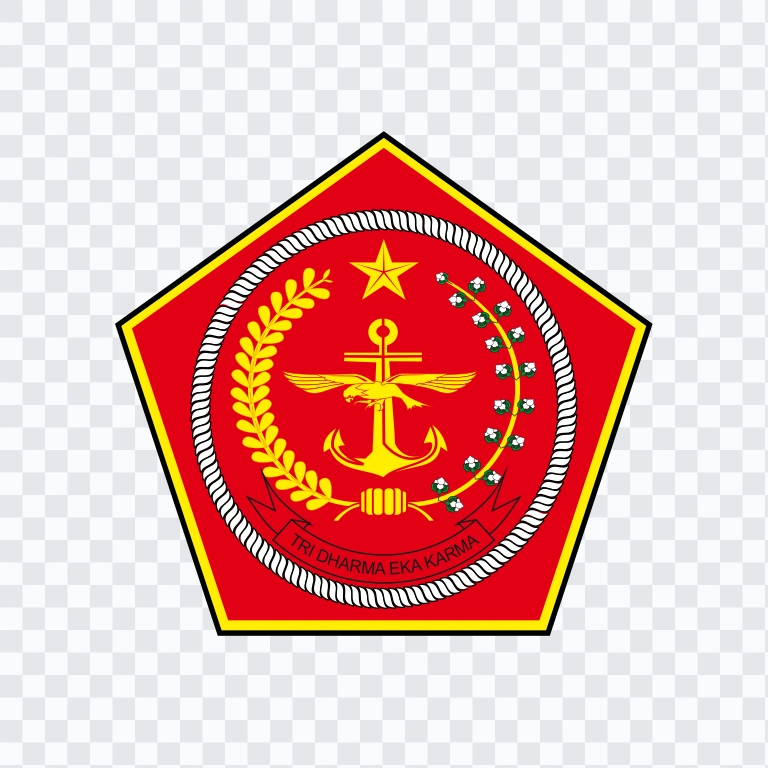
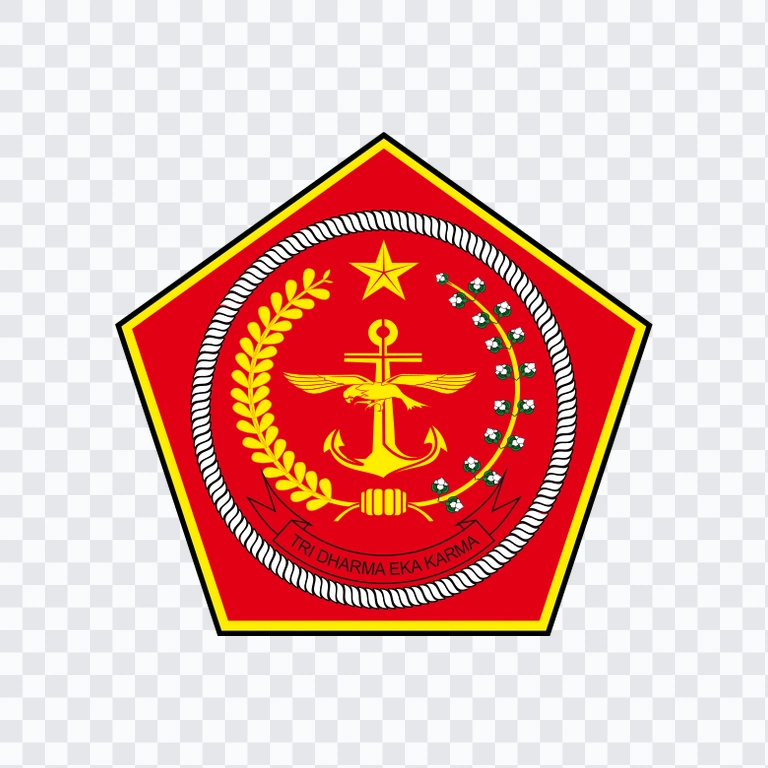
Table of Contents11 sections
- Download Indonesian National Armed Forces PNG Logo
- About Indonesian National Armed Forces
- Meaning and History of the Indonesian National Armed Forces Logo
- Evolution of the Logo
- Indonesian National Armed Forces Color Palette
- Frequently Asked Questions
- Can I use the Indonesian National Armed Forces logo for commercial purposes?
- What file formats are available?
- What does the Indonesian National Armed Forces logo represent?
- Why is the SVG version useful for designers?
- How has the brand name changed over time?
Welcome to Zona Logo. You can download the Indonesian National Armed Forces logo in PNG and SVG formats. You can also download the PNG logo with a transparent background in high resolution (HD) for free.
Download Indonesian National Armed Forces PNG Logo
Please select the file above according to your needs, then press the download button to obtain the desired file:
| File Name | Indonesian National Armed Forces |
| File Type | PNG, SVG |
| File Size | 25 KB - 220 KB |
If you encounter issues while downloading the Indonesian National Armed Forces logo or if the displayed file is inaccurate, you can report it here.
About Indonesian National Armed Forces
The Indonesian National Armed Forces is the state military institution of Indonesia and is commonly known by its abbreviation, TNI. In national branding terms, it represents authority, discipline, service, and the defense of sovereignty. It is structured into three military branches: the Army, Navy, and Air Force, each led by a chief of staff, while the overall force is led by a commander. This structure is central to understanding the institution’s visual identity, because a national defense brand must communicate unity across multiple branches while still reflecting a clear chain of command.
Historically, the organization has gone through several name changes. According to the provided source, it was first formed as Badan Keamanan Rakyat Pembantoe Polisi Republik Indonesia, then became Tentara Keamanan Rakyat (TKR), later Tentara Republik Indonesia (TRI), then Angkatan Bersenjata Republik Indonesia (ABRI), before returning to Tentara Nasional Indonesia after the separation between the military and the police. This evolution gives the brand a layered identity rooted in state formation, institutional consolidation, and post-separation clarity.
As a government agency, its public-facing symbol must function with high recognition, formality, and consistency. The visual identity is not simply decorative; it serves as a marker of institutional legitimacy. For designers, historians, and researchers seeking the Indonesian National Armed Forces logo, the most important takeaway is that the symbol belongs to a national defense body with a long administrative history and a strong emphasis on organizational continuity.
Meaning and History of the Indonesian National Armed Forces Logo
The meaning of the emblem should be understood through the institution it represents: a unified armed force composed of three branches under one command structure. Even without assigning specific symbolic claims that are not publicly stated here, the logo’s purpose is clear. It must project unity, discipline, readiness, and national service. Like many official emblems, it likely functions as a compact visual shorthand for a complex institution.
In practical branding terms, a military identity usually balances symbolism and clarity. The official emblem should remain legible at small sizes, formal in printed documents, and authoritative on ceremonial materials. That is why the Indonesian National Armed Forces PNG and Indonesian National Armed Forces SVG formats are especially useful. PNG supports transparent-background use in digital layouts, while SVG provides a scalable vector format suitable for precise reproduction across large and small applications.
From a design-history perspective, the institution’s transitions from TKR to TRI to ABRI and then back to TNI suggest that the identity has been shaped by political and organizational change. The logo therefore stands as more than a mark; it is part of a broader state visual language that signals institutional stability after periods of restructuring.
Evolution of the Logo
The provided source details the evolution of the institution’s name rather than a step-by-step visual redesign timeline. For that reason, any exact claims about specific logo redesign dates, artists, or typographic changes would be speculative and are not included here. What can be stated confidently is that the brand identity has evolved alongside the institution’s own structure and naming history.
In general, when a national armed forces identity changes names, the emblem typically needs to adapt for consistency across uniforms, documents, signage, and digital platforms. The shift from ABRI back to TNI after the separation from the police is especially significant because it marks a change in institutional alignment and public identity. This makes the visual system important not only as a logo, but as a continuity device across eras.
For users searching for the Indonesian National Armed Forces logo, the current asset is best viewed as the contemporary representation of that historical progression. Any older versions should be considered within the context of the institution’s earlier names and organizational structure, not as interchangeable replacements for the present symbol.
Indonesian National Armed Forces Color Palette
The provided brand palette is bold, formal, and highly visible. Each color contributes to the overall visual impact of the identity system:
- Red (#FF0000) — a strong, commanding presence that creates immediate attention.
- Yellow (#FFFF00) — bright and high-contrast, useful for visibility and emphasis.
- White (#FFFFFF) — clean and neutral, often used to preserve clarity and balance.
- Orange (#FF8000) — vivid and energetic, adding warmth to the palette.
- Black (#000000) — a grounding tone that reinforces formality and readability.
- Maroon (#800000) — deep and restrained, supporting a serious institutional tone.
- Dark Slate Gray (#404040) — a muted neutral that helps structure the palette.
- Silver (#C0C0C0) — a refined neutral that can support metallic or technical visual treatments.
- Gray (#808080) — versatile and balanced, useful for secondary elements and documentation.
Taken together, these colors create a strong government identity system that can work across formal, ceremonial, and digital contexts. The combination of red, yellow, and white provides high visibility, while black, maroon, and gray tones support the seriousness expected from a national defense institution.
Frequently Asked Questions
Can I use the Indonesian National Armed Forces logo for commercial purposes?
If you plan to use it commercially, you should ask for official permission first. As a government and military identity, it may be protected or restricted in certain contexts.
What file formats are available?
The available file formats are PNG and SVG. These are practical for web use, print layouts, and scalable design workflows.
What does the Indonesian National Armed Forces logo represent?
It represents the state military institution of Indonesia, including its unified structure across the Army, Navy, and Air Force. Its role is to express authority, discipline, and national defense.
Why is the SVG version useful for designers?
SVG is a vector format, which means it can scale without losing quality. This makes it ideal for large-format printing, crisp digital displays, and flexible brand applications.
How has the brand name changed over time?
According to the provided source, it changed from Badan Keamanan Rakyat Pembantoe Polisi Republik Indonesia to TKR, then TRI, then ABRI, and finally returned to Tentara Nasional Indonesia after the military and police were separated.
Design takeaway: The Indonesian National Armed Forces brand identity is defined by institutional continuity, national authority, and a structured three-branch military system. Its logo works best as a formal emblem that is clear, scalable, and consistent across applications.
AI-Generated Content
This description was generated by AI and may contain inaccuracies.