Zona Logo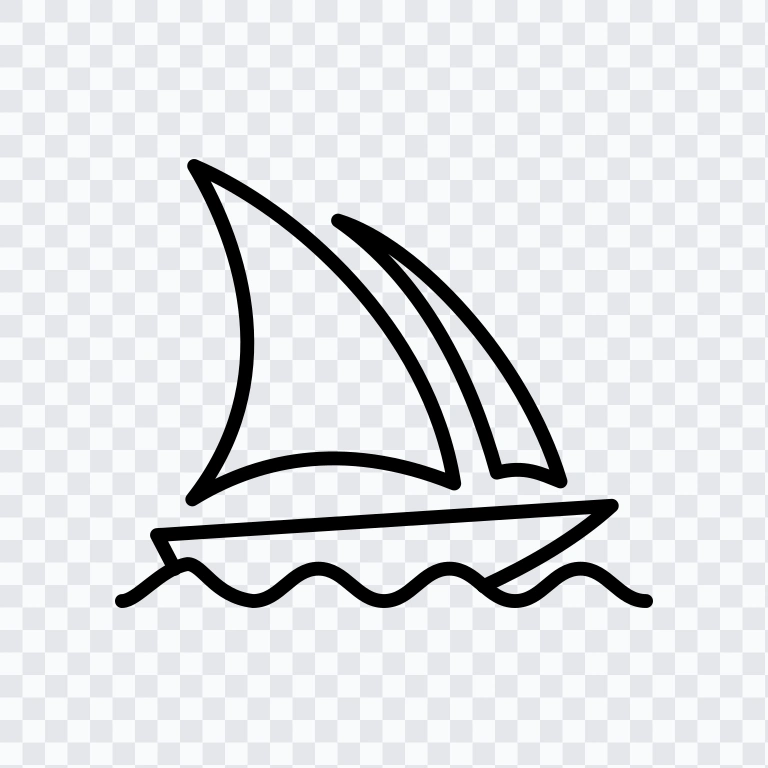
Midjourney
Generative AI
Rated 5.0/5 from 3,778 votes
Brand Info
Report outdated or incorrect assets.
5+ Midjourney Logo PNG & SVG Vectors HD Quality
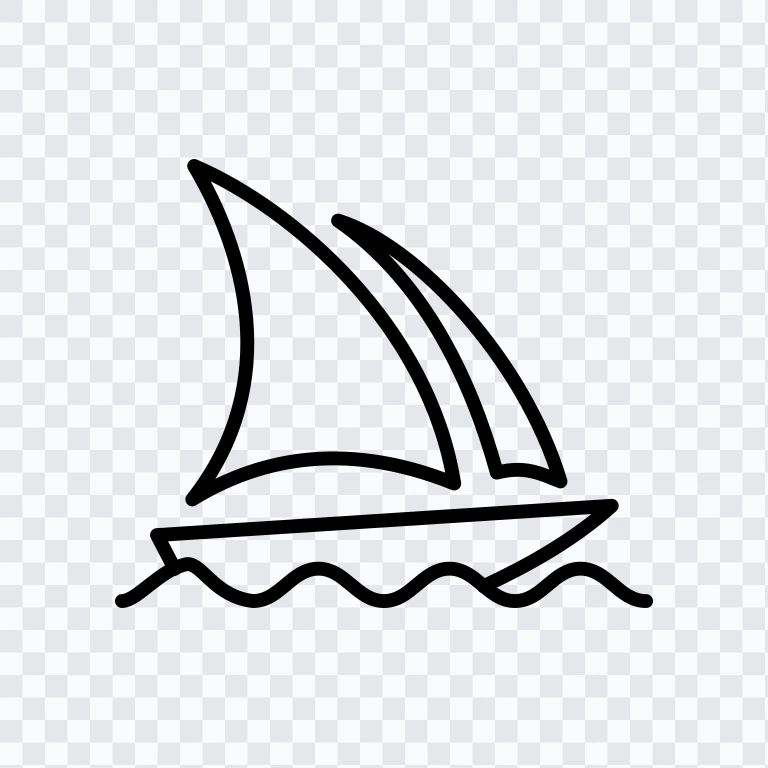


Table of Contents11 sections
- Download Midjourney PNG Logo
- About Midjourney
- Meaning and History of the Midjourney Logo
- Evolution of the Logo
- Midjourney Color Palette
- Frequently Asked Questions
- 1) Can I use the Midjourney logo for commercial purposes?
- 2) What file formats are available?
- 3) What does the ship symbol represent?
- 4) What font is used in the wordmark?
- 5) Why do designers prefer an SVG version for professional layouts?
Welcome to Zona Logo. You can download the Midjourney logo in PNG and SVG formats. You can also download the PNG logo with a transparent background in high resolution (HD) for free.
Download Midjourney PNG Logo
Please select the file above according to your needs, then press the download button to obtain the desired file:
| File Name | Midjourney |
| File Type | PNG, SVG |
| File Size | 18 KB - 220 KB |
If you encounter issues while downloading the Midjourney logo or if the provided link is inaccessible, you can report it through the Contact Us page.
About Midjourney
Midjourney is an independent research lab and product studio best known for its text-to-image generative AI system and the community-driven workflows that formed around it. The organization positions itself as a place for exploring new mediums of thought—tools that expand imagination rather than merely automate production. This ethos is reflected not only in its product direction, but also in a visual identity that leans into craft, experimentation, and a slightly nautical, exploratory spirit.
Founded in 2022 by David Holz, the brand quickly became a defining name in creative AI, especially among artists, designers, filmmakers, and marketers seeking evocative, painterly outputs. Instead of emphasizing a purely corporate “platform” narrative, it cultivated an atelier-like culture: iterative prompting, shared aesthetics, and public learning. In the broader Artificial Intelligence category, it sits at the intersection of research, consumer software, and creative tooling, with a distinct identity shaped as much by community practice as by model capabilities.
From a brand strategy perspective, it competes in a crowded landscape by differentiating on three durable values: imagination (outputs that feel authored), accessibility (a playful learning curve supported by community), and exploration (a sense that using it is a journey, not a transaction). These values provide continuity as the technology evolves, making the identity resilient across versions, interfaces, and shifting AI trends.
Meaning and History of the Midjourney Logo
The official emblem most commonly associated with the brand is a compact, recognizable ship icon. In design-history terms, ships have long functioned as symbols of discovery, trade, and the unknown—an apt metaphor for a lab investigating new cognitive and creative mediums. The icon also subtly nods to the idea of navigation: charting aesthetic space, steering between randomness and intent, and arriving at an image through guided iteration.
Formally, the mark reads well at small sizes because it relies on clear silhouette recognition rather than delicate internal detail. This is a common strategy in contemporary digital identity systems: prioritize legibility in avatars, app icons, and UI headers, then allow richer expressions (illustration, motion, gradients) elsewhere in the brand system. The ship’s geometry—mast, hull, and sail—creates a stable vertical axis and a grounded base, reinforcing reliability while still implying movement.
The accompanying wordmark is typically set in a clean, modern style, emphasizing clarity over ornament. Even when typography appears minimal, the overall impression is distinctive because the symbol carries narrative weight. Together, symbol and logotype create a balanced identity: storytelling in the icon, utility in the text. For users searching for assets such as a “Midjourney logo” for presentations or editorial references, this combination is what they tend to recall and recognize first.
In practical usage, people often look for formats suitable for UI mockups, documentation, or press kits—hence the popularity of downloadable assets like Midjourney PNG files for quick placement or Midjourney SVG options when a scalable vector format is required. In each case, the ship emblem’s silhouette-based design is what makes it work across sizes and backgrounds.
Evolution of the Logo
Unlike legacy corporations with decades of redesign cycles, Midjourney’s identity evolution has been comparatively subtle—more about system refinement than dramatic rebranding. Early public recognition centered on the ship icon used in community contexts and platform avatars. As the product matured and its audience broadened, the most visible shifts were typically in presentation standards: clearer spacing rules, improved contrast on varied backgrounds, and more consistent pairing of emblem and wordmark across touchpoints.
This kind of evolution is common for digital-native AI brands. Rather than changing the emblem frequently (which risks fragmenting recognition), they tend to improve the surrounding system: UI iconography, brand photography or generative art examples, and guidelines for how the mark appears in social, app headers, and partner listings. The result is continuity—users can recognize the symbol instantly—while the broader visual identity gains coherence.
From a design-historical lens, this approach aligns with modern identity thinking: a logo is not a single artifact but a flexible signature within a living system. Midjourney’s emblem functions as that signature, while the brand’s “look” is often carried by the imaginative imagery the tool enables.
Midjourney Color Palette
No single, officially fixed color palette is universally published across all contexts, and the mark is frequently shown in monochrome for maximum adaptability. However, the brand’s real-world usage commonly favors a restrained, high-contrast approach that supports legibility on both light and dark interfaces.
- Core Neutral (Recommended): Charcoal Black #111111 (primary mark on light backgrounds)
- Inverse Neutral (Recommended): White #FFFFFF (primary mark on dark backgrounds)
- Support Neutral: Slate Gray #6B7280 (secondary text and UI contexts)
These values are provided as practical, designer-friendly defaults when official brand color specifications are not supplied. If you are producing press materials, integrations, or co-marketing assets, it’s best to verify color guidance from official sources to ensure accurate reproduction. When placing the emblem over imagery, choose contrast-first applications and avoid competing gradients that reduce silhouette clarity—especially when exporting for small digital placements or a transparent background.
Frequently Asked Questions
1) Can I use the Midjourney logo for commercial purposes?
For commercial use (such as packaging, advertising, or endorsement-style placement), you should request or confirm permission through the brand’s official channels. Trademark and brand-usage rules often differ depending on context, and approval helps avoid implying an unauthorized partnership.
2) What file formats are available?
Commonly provided formats include PNG and SVG. PNG is convenient for quick placement, while SVG is ideal when you need a vector format that scales cleanly across sizes.
3) What does the ship symbol represent?
The ship functions as a metaphor for exploration—navigating uncharted creative territory and discovering new visual possibilities. As a brand symbol, it communicates journey, curiosity, and forward motion, aligning with the lab’s mission to expand human imaginative capacity.
4) What font is used in the wordmark?
The wordmark is typically presented in a modern, clean type style optimized for digital legibility. Specific typefaces can vary by context (product UI, web, or press materials), so if you need an exact match for editorial work, consult an official media kit or verified brand guidelines.
5) Why do designers prefer an SVG version for professional layouts?
SVG files are resolution-independent, which means the emblem remains crisp on large displays, print exports, and responsive web layouts. They also simplify color adjustments and alignment in design tools, making them especially useful for building consistent visual identity systems.
AI-Generated Content
This description was generated by AI and may contain inaccuracies.