Zona Logo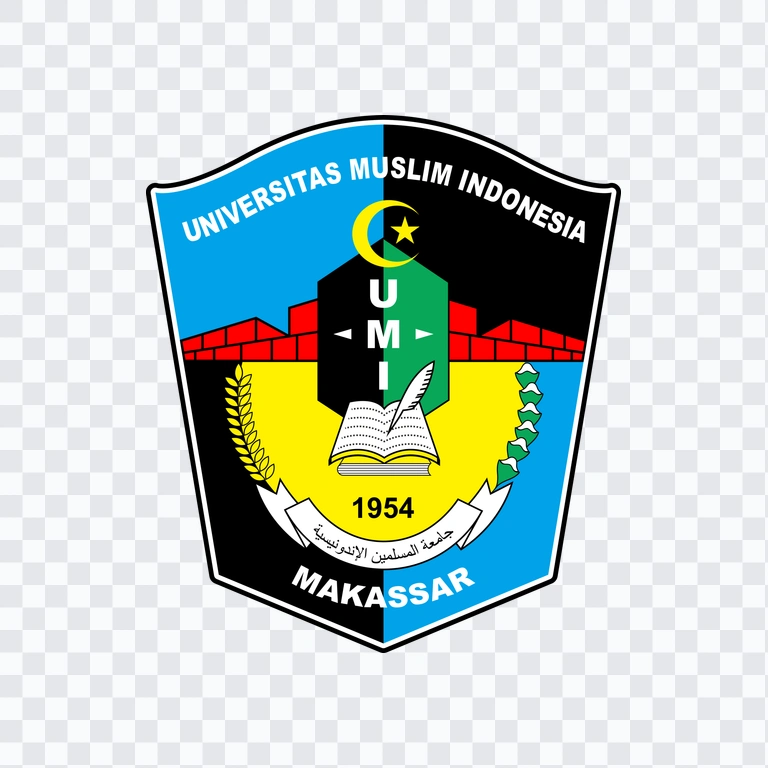
Universitas Muslim Indonesia (UMI)
Universities & Colleges
Brand Info
Report outdated or incorrect assets.
Universitas Muslim Indonesia (UMI) Logo PNG & SVG Vectors HD Quality
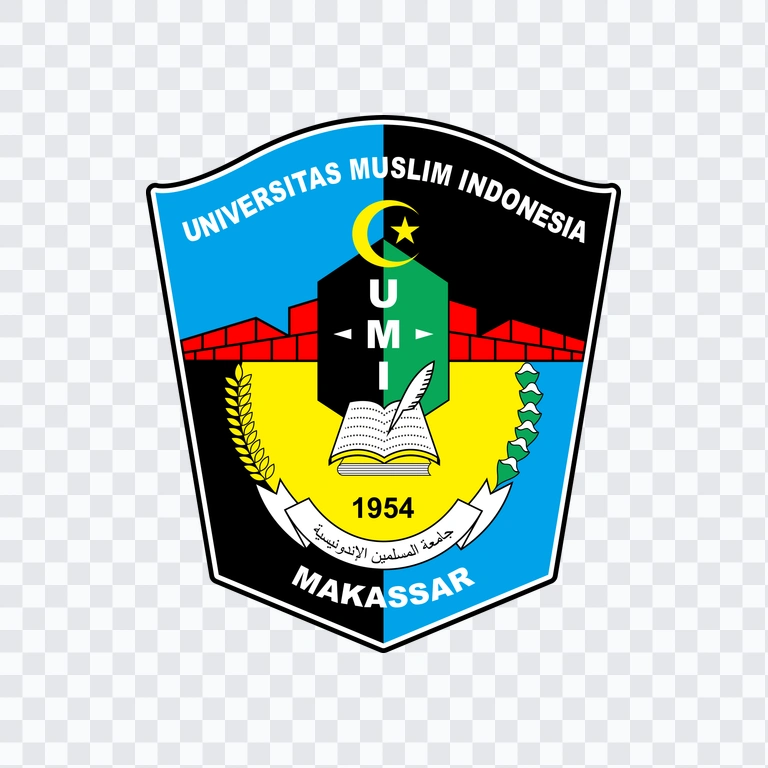
Table of Contents11 sections
- Download UMI PNG Logo
- About Universitas Muslim Indonesia (UMI)
- Meaning and History of the Universitas Muslim Indonesia Logo
- Evolution of the Logo
- UMI Color Palette
- Frequently Asked Questions
- Can I use the Universitas Muslim Indonesia (UMI) logo for commercial purposes?
- What file formats are available?
- When was Universitas Muslim Indonesia founded?
- What do the five points of the emblem represent?
- What do the rice and cotton details signify?
Welcome to Zona Logo. You can download the Universitas Muslim Indonesia (UMI) logo in PNG and SVG formats. You can also download the PNG logo with a transparent background in high resolution (HD) for free.
Download UMI PNG Logo
Please select the file above according to your needs, then press the download button to obtain the desired file:
| File Name | Universitas Muslim Indonesia (UMI) |
| File Type | PNG, SVG |
| File Size | 20 KB - 250 KB |
If you encounter issues while downloading the Universitas Muslim Indonesia logo or if the displayed file is inaccurate, you can report it here.
The colored PNG is suitable for common digital uses, while a transparent background can help when placing the emblem over a different page or presentation background. UMI’s official identity resources also include vector and other logo formats, as well as visual identity guidance. Check the file itself before use to confirm that its format and appearance suit your project.
About Universitas Muslim Indonesia (UMI)
Universitas Muslim Indonesia (UMI) is a private Islamic university in Makassar, South Sulawesi, Indonesia. Founded on 23 June 1954, it is among the oldest private Islamic higher education institutions in eastern Indonesia. Its establishment was initiated by Muslim scholars, intellectuals, community figures, and regional leaders seeking to provide higher education grounded in Islamic values. The founding charter was signed at the Governor’s residence in Makassar by K.H. Muhammad Ramly, La Ode Munarfa, Sutan Muhammad Yusuf Samah, and Chalid Husain.
UMI is guided by the Yayasan Wakaf UMI (YW-UMI) and combines education with Islamic outreach. Its philosophy, “Campus of Knowledge and Worship,” brings academic learning, research, community service, and Islamic dakwah together. The university serves students through undergraduate, professional, master’s, and doctoral programs spanning fields that include medicine, engineering, law, economics, agriculture, information technology, and Islamic studies. Its faculties include Medicine, Engineering, Law, Economics and Business, Islamic Studies, and Computer Science. The institution’s stated aim is to develop graduates who are capable, professional, ethical, and able to compete globally.
UMI is also known in Arabic as Jami'atul Muslimina Indonesiyah, a name associated with bringing together and educating the Muslim community. It is distinct from other Indonesian institutions with similar names or abbreviations, including Universitas Islam Indonesia and Universitas Muhammadiyah Indonesia.
Meaning and History of the Universitas Muslim Indonesia Logo
The Universitas Muslim Indonesia (UMI) logo is a symbolic emblem built around a five-pointed pen-nib shape. Its five points represent Pancasila, while the pen-nib form relates to education and the development of knowledge. Within the emblem, a Qur’an and upright quill represent the Qur’an and Sunnah as foundations for Islamic education. Other elements include the Kaaba, a crescent and star, a red-brick arrangement, and rice and cotton.
The Kaaba represents the practice of Islamic law, while the crescent and star symbolize unity among Muslims. Rice and cotton refer to social justice. Their count adds a specific historical reference: the emblem contains 23 grains of rice and six cotton bolls, corresponding to the university’s founding date of 23 June; the number 1954 represents its founding year. Together, these components connect the institution’s educational purpose and Islamic character with its founding and broader civic values.
The emblem uses yellow, green, red, black, and blue. UMI associates yellow with maturity, dignity, and continuity; green with fertility and hope; red with justice, courage, and responsibility; black with honesty and knowledge; and blue with sincerity and loyalty without self-interest. The university also relates the five main colors to the Five Pillars of Islam.
For practical use, preserve the emblem’s full proportions and keep its internal details clear. A colored PNG works for standard digital placement; a vector format is useful when a design needs to be resized. Avoid cropping the symbolic elements or placing the artwork on a background that makes its colors difficult to distinguish.
Evolution of the Logo
UMI’s current identity resources include the colored emblem in PNG, transparent PNG and vector formats, along with visual identity guidance. Use the appropriate file for the intended medium and follow the supplied guidance when preparing institutional materials.
UMI Color Palette
The official emblem’s five principal colors are yellow, green, red, black, and blue. Their meanings are tied to the university’s stated values: dignity and continuity, hope, justice and responsibility, honesty and knowledge, and sincerity and loyalty. No HEX values are specified here; use the colors in the official artwork rather than approximating them from a screen display.
Frequently Asked Questions
Can I use the Universitas Muslim Indonesia (UMI) logo for commercial purposes?
Ask UMI for official permission before using the emblem commercially. Do not assume that downloading a file grants usage rights.
What file formats are available?
PNG and SVG formats are available. UMI’s official identity resources also describe other logo assets and visual identity guidance.
When was Universitas Muslim Indonesia founded?
UMI was founded on 23 June 1954 in Makassar, South Sulawesi, Indonesia.
What do the five points of the emblem represent?
The five points of the pen-nib-shaped emblem represent Pancasila. The pen-nib form also symbolizes education and the development of knowledge.
What do the rice and cotton details signify?
The rice and cotton represent social justice. Their 23 grains of rice and six cotton bolls also refer to UMI’s founding date, 23 June.
AI-Generated Content
This description was generated by AI and may contain inaccuracies.