Zona Logo
Bungo Regency Emblem
Jambi, Indonesia94
Bungo Regency Emblem
Download PNG
PNG Sizes
Preview failed to load. Please try again.
File Information
- Formats
- PNG
- Last updated
- Oct 12, 2026
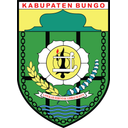
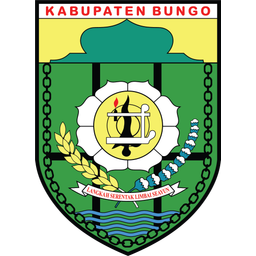
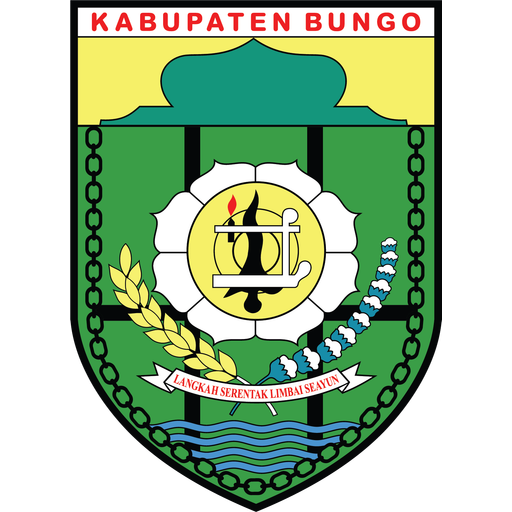
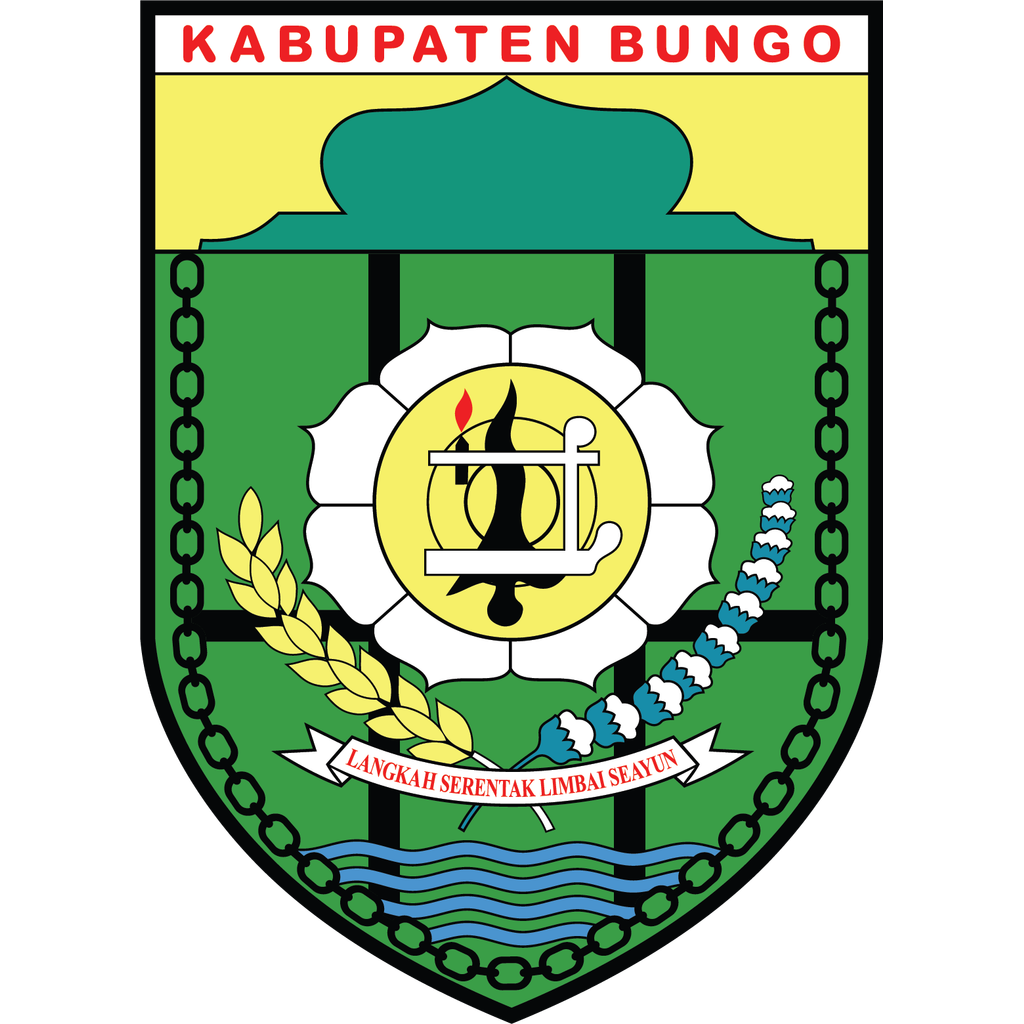
The Bungo Regency emblem consists of a Ketayo Pelito lamp, a five-curved keris standing upright behind it, a mosque dome, rice grains and Bungo Dani flowers, water waves, six square boxes, and a chain.
- Ketayo Pelito lamp: This distinctive lamp symbolizes an undying light and the people’s characteristic work, fighting spirit, and perseverance in facing challenges.
- Five-curved keris: Positioned upright behind the lamp, the keris symbolizes resistance to colonialism and poverty. Its five curves represent five principles of Bungo law and custom, as well as the values of Pancasila.
- Mosque dome: The dome symbolizes the community’s religious values, obedience, and devotion to God.
- Rice and Bungo Dani flowers: Nineteen rice grains and ten flower buds flank each other and are tied with a ribbon. They symbolize prosperity and happiness.
- Water waves: The four waves symbolize the four main rivers flowing through the regency, described as lifelines for the community.
- Square boxes: The six equal-sized boxes inside the emblem represent the six initial subdistricts that formed the regency’s administrative area when the emblem was approved.
- Chain: The circular chain symbolizes strong unity and discipline. Its 65 links refer to 1965, a historical year associated with the formation of the area from which the regency developed.
- Colors: Red symbolizes courage, green fertility and prosperity, yellow grandeur and glory, black loyalty and ethical steadfastness, and white purity of heart and sincerity of purpose.
The Bungo Regency emblem bears the motto “Langkah Serentak Limbai Seayun” below its design. The motto expresses unity and coordinated action by leaders and the community in building the region toward shared prosperity. The 19 rice grains and 10 flowers also refer to October 19, the regency’s anniversary.
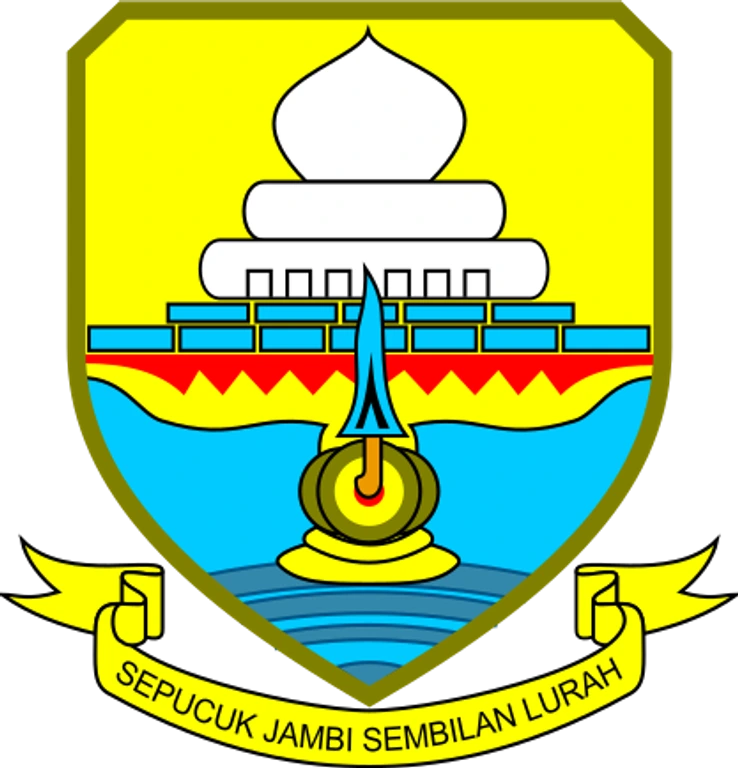
Parent Region
Explore the emblem of this locality's parent administrative region.
Is this emblem outdated or incorrect?