Zona Logo
Tebo Regency Emblem
Jambi, Indonesia51

Tebo Regency Emblem
Download PNG
PNG Sizes
Preview failed to load. Please try again.
File Information
- Formats
- PNG
- Last updated
- Oct 14, 2026
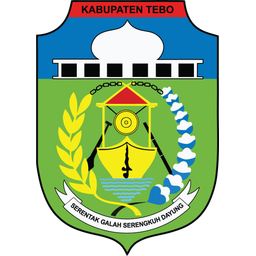
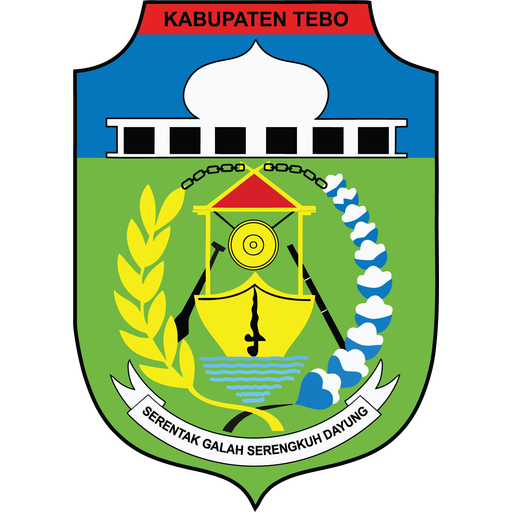
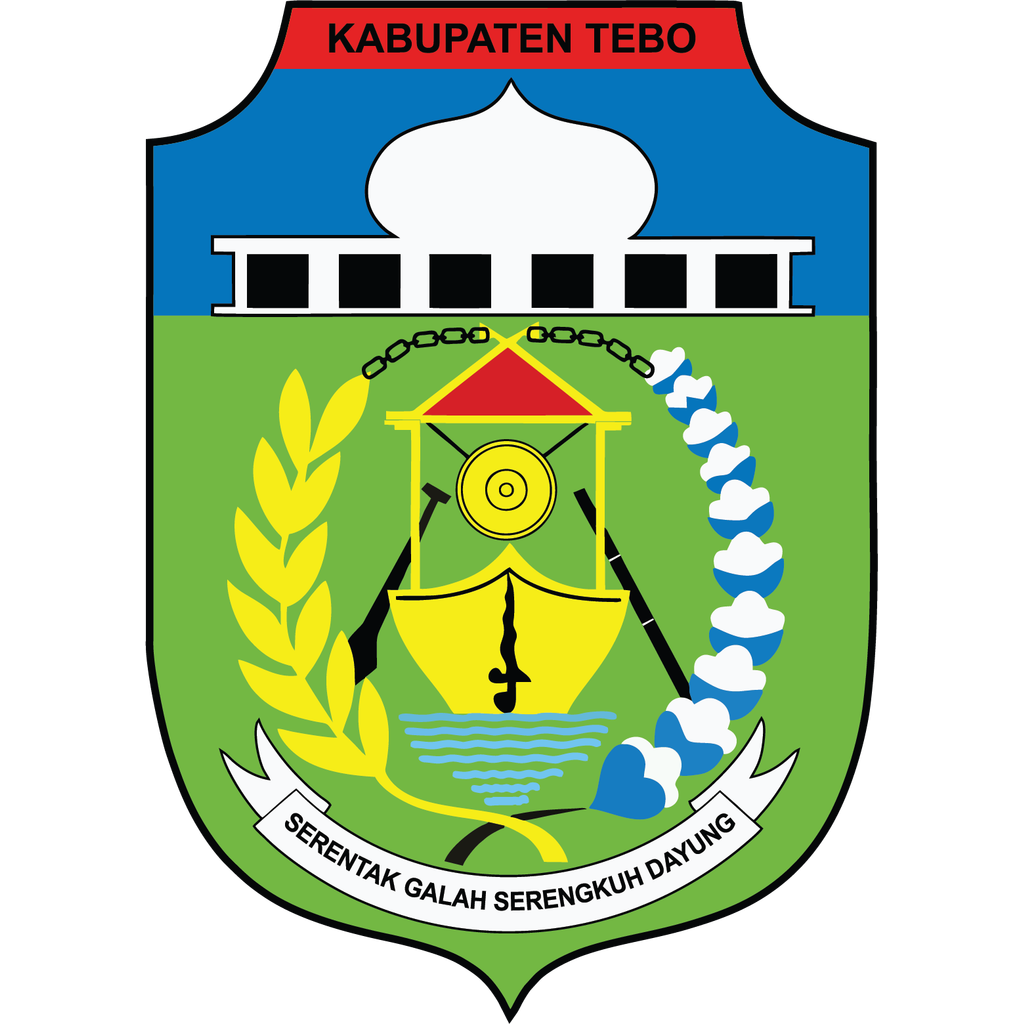
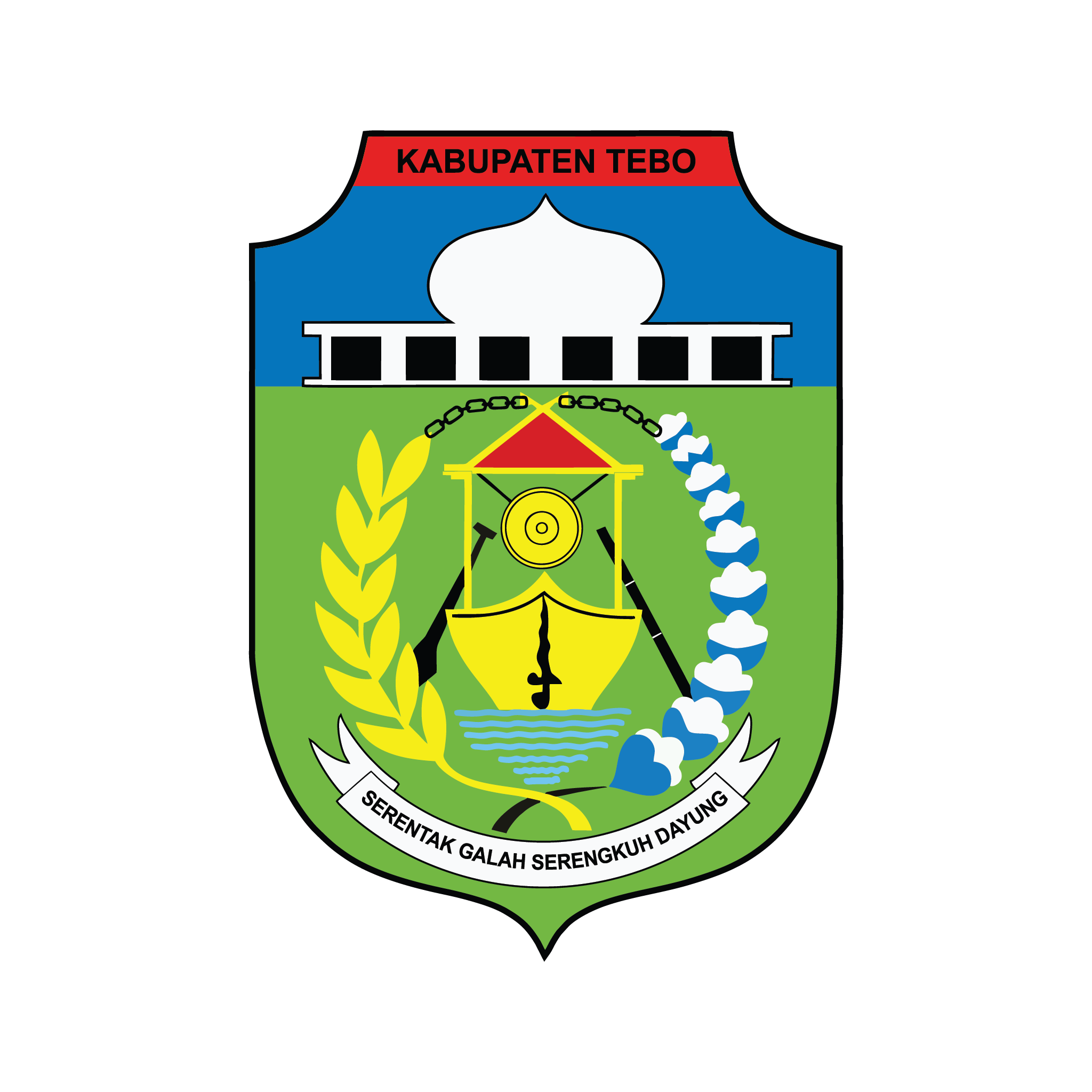
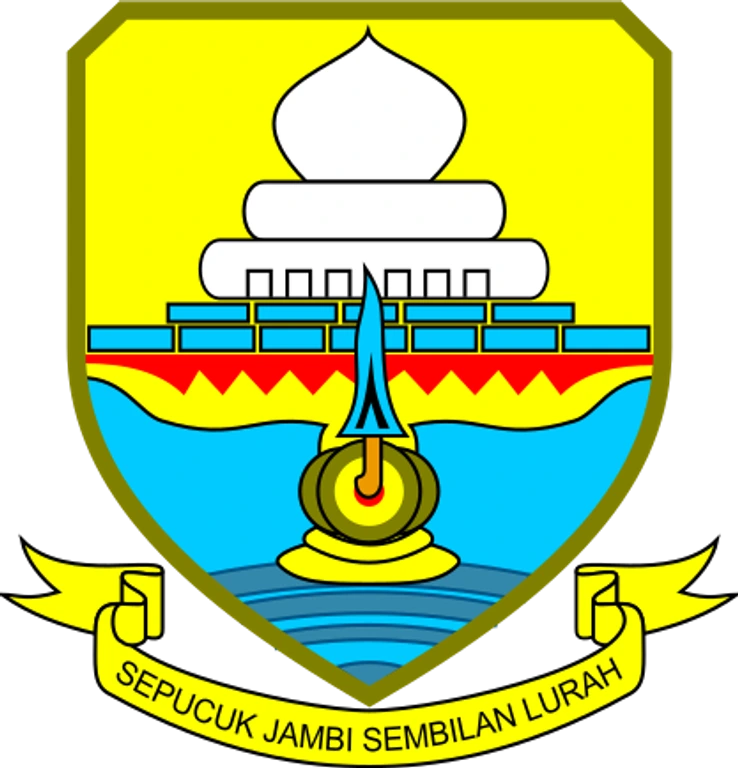
The Tebo Regency emblem consists of a pentagonal shield, mosque dome, rice and cotton, chains, a Kajang Lako boat, a keris, a pole and oar, a gong, a twisted rope, and a river. It uses six colors, and its elements carry documented meanings.
- Pentagonal shield and mosque dome: The shield symbolizes the Five Pillars of Islam and the philosophy of Pancasila. The dome reflects the predominantly Muslim population; its six windows or doors symbolize the six subdistricts at the regency’s formation.
- Rice and cotton: Rice (12) and cotton (10) symbolize welfare and prosperity, as well as the 12th day and the 10th month, October, of the regency’s establishment.
- Chains: Nine chain links on each side symbolize unity and the founding year, 1999.
- Kajang Lako boat: The boat symbolizes historical grandeur and traditional transportation during the Jambi Malay Sultanate.
- Seven-curved keris: The keris, without a hilt, symbolizes obedience to law, rejection of falsehood, and a nonpartisan stance represented by the odd number seven.
- Pole and oar: The pole symbolizes resolve to advance and reject negative foreign cultural influence; the oar symbolizes cooperation toward shared goals.
- Gong and twisted rope: The gong symbolizes traditional communication and the preservation of art and culture. The rope symbolizes the strength of customary and cultural bonds.
- River and colors: The river represents the area’s river-basin-dominated landscape and its role as a past route for life and transport. Red means courage, white purity, green fertility, yellow grandeur, blue calm, and black loyalty.
The motto, “Seentak Galah Serengkuh Dayung” symbolizes togetherness, solidarity, and mutual effort in advancing development. The Tebo Regency emblem was established by Tebo Regent’s Decree No. 16 of 2000, dated February 15, 2000, and reinforced by Regional Regulation No. 29 of 2001.
Parent Region
Explore the emblem of this locality's parent administrative region.
Is this emblem outdated or incorrect?