Zona Logo
Sarolangun Regency Emblem
Jambi, Indonesia30
Sarolangun Regency Emblem
Download PNG
PNG Sizes
Preview failed to load. Please try again.
File Information
- Formats
- PNG
- Last updated
- Oct 13, 2026
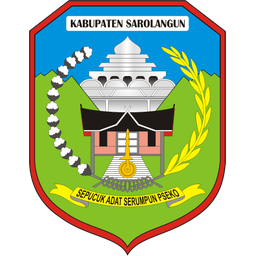
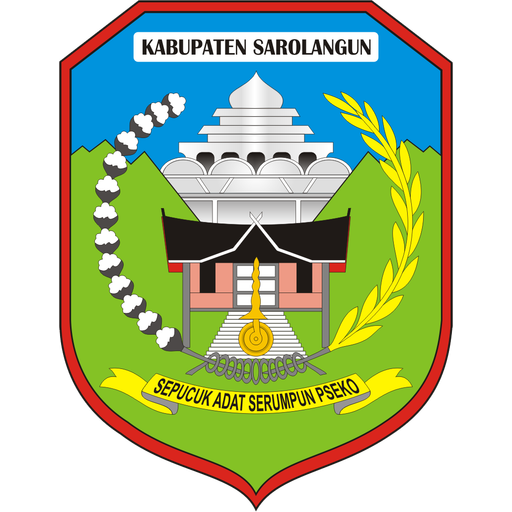
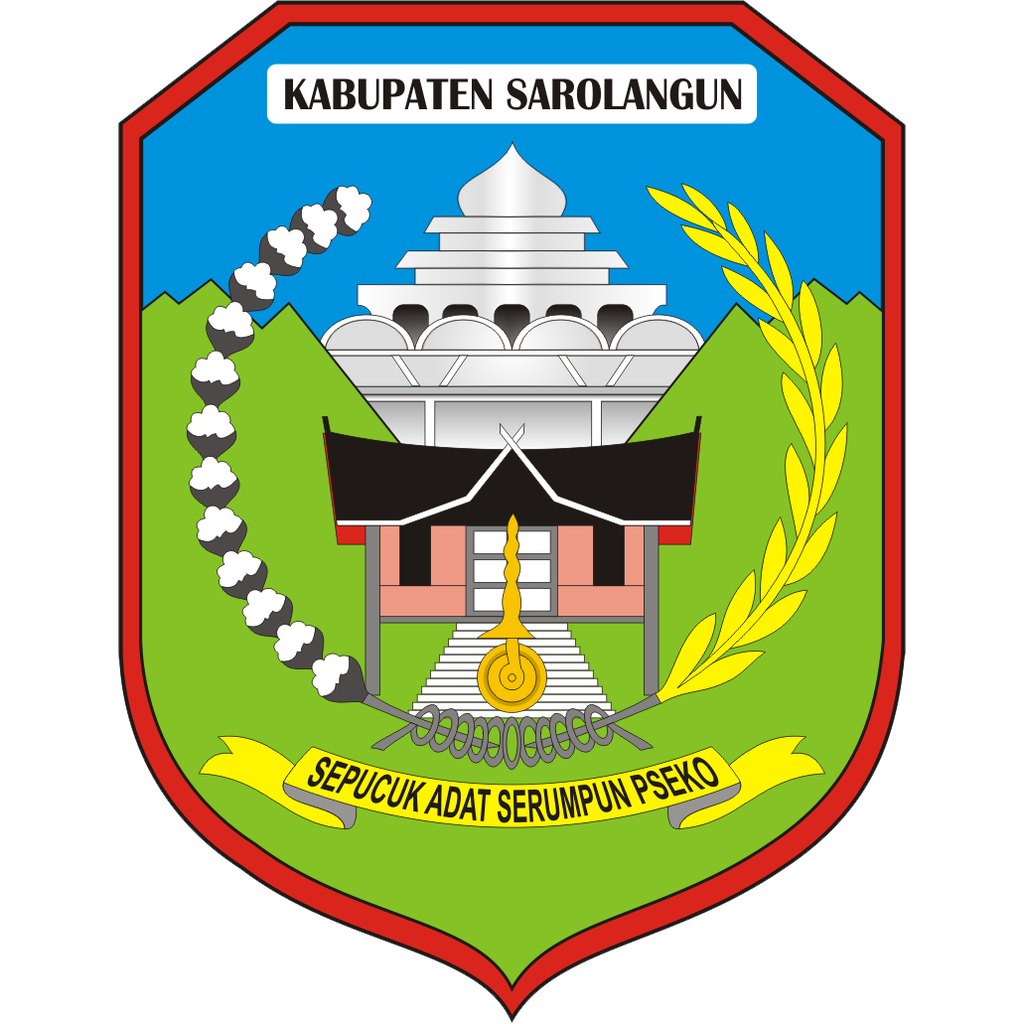
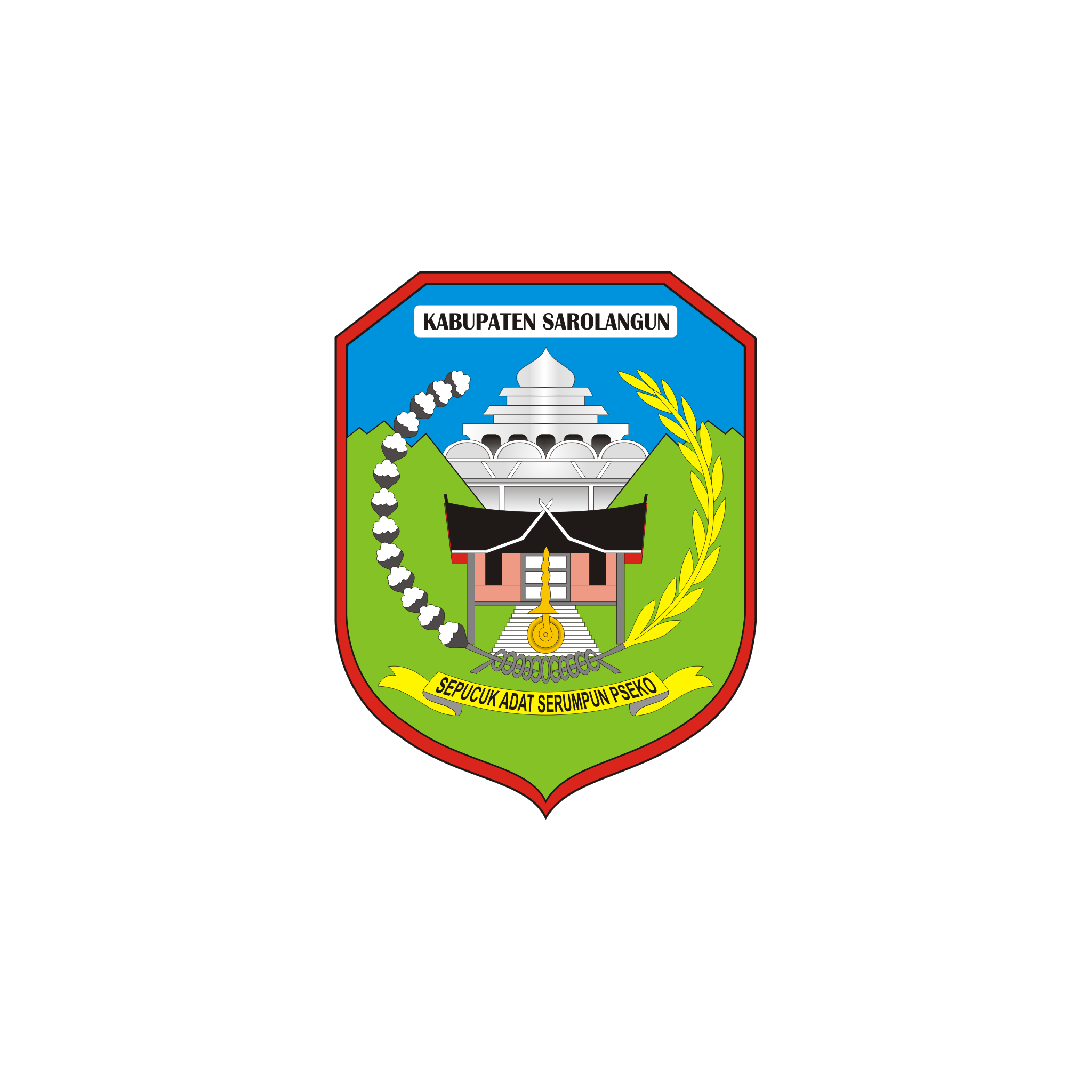
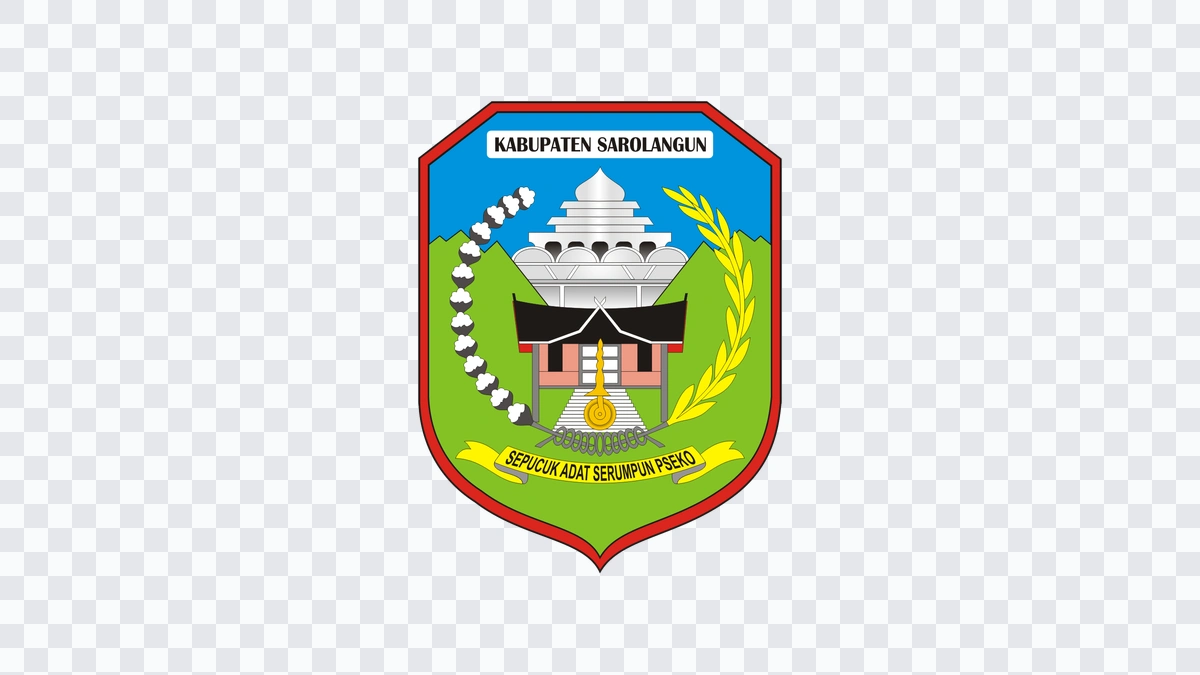
The Sarolangun Regency emblem features a pentagonal form, a red shield, a blue and green base, a mosque dome, and a white three-tier building. Its other documented elements include the Duo Sebandung Bridge, cotton and rice, a traditional hall roof, and a keris.
- Pentagonal form and red shield: The pentagonal form symbolizes the people’s steadfastness and loyalty to the Republic of Indonesia and Pancasila. The red shield symbolizes courage and patriotism.
- Blue and green base: These colors symbolize peaceful natural beauty and the fertility of the regency’s hilly areas.
- Mosque dome and five doors: These features symbolize belief in the One Almighty God and reflect the five pillars of Islam and Pancasila.
- White three-tier building: Its three levels symbolize the triad of regional leadership: the executive, the legislature, and the community.
- Duo Sebandung Bridge: The bridge symbolizes the connection of the regional economy. Its four suspension spans represent Sarolangun’s four urban villages, while its five crossing spans symbolize the Batang Asai, Limun, Air Hitam, Merangin, and Tembesi rivers.
- Cotton and rice: Twelve cotton stalks, with 10 petals, and nine grains of rice encode the regency’s birth date: 12 October 1999.
- Traditional hall roof and steps: The black roof symbolizes community unity; its six central doors represent the six original subdistricts. Twelve white steps refer to the 12 Margo.
- Nine-curved keris: This keris is a distinctive symbol, or heirloom, of Jambi Province.
The Sarolangun Regency emblem’s date-related counts refer to the regency’s birth on 12 October 1999. Its motto, “Sepucuk Adat Serumpun Pseko”, expresses the expectation that residents respect and uphold regional, customary, religious, and community leaders.
Parent Region
Explore the emblem of this locality's parent administrative region.
Is this emblem outdated or incorrect?